
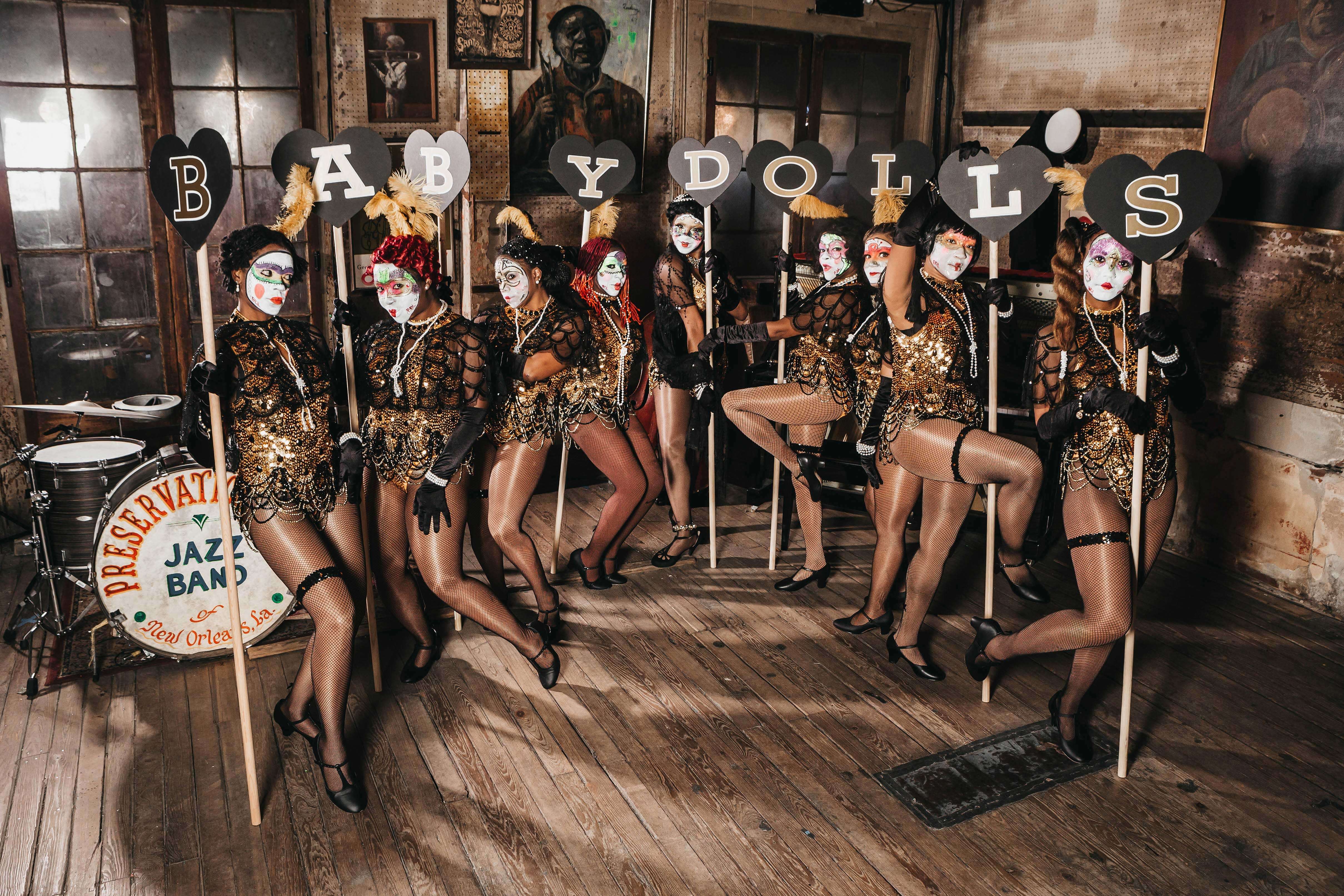
The vibrant culture of New Orleans is a tapestry woven with the threads of history, tradition, and innovation. Among the city’s rich cultural symbols, the Babydolls stand out as a unique expression of African American culture and resilience. This dynamic group, known for their flamboyant costumes and spirited performances, has played a crucial role in shaping the cultural landscape of New Orleans. Exploring the history and significance of the Babydolls offers insight into the city’s diverse cultural heritage and the enduring spirit of its people.
The Origins of the Babydolls
The Babydolls first emerged in the early 20th century, during a time when African American women sought to assert their presence in the traditionally male-dominated realm of Mardi Gras parades. These pioneering women donned baby doll costumes, complete with bonnets and parasols, as a form of social protest and self-expression. Their bold and theatrical presence challenged societal norms and provided a platform for women to showcase their creativity and individuality.
Key Characteristics of Babydoll Culture
Understanding the Babydolls requires appreciating the distinct elements that define their culture:
- Costumes: The iconic baby doll costumes, often characterized by exaggerated features, vibrant colors, and intricate details.
- Performances: Energetic dances and lively music that capture the essence of New Orleans’ festive spirit.
- Community Engagement: Active participation in local events and festivals, fostering community bonds and cultural pride.
Modern-Day Relevance
Today, the legacy of the Babydolls continues to thrive, with new generations embracing their traditions while infusing contemporary elements. This cultural evolution is a testament to the resilience and adaptability of the Babydolls, reflecting the broader story of New Orleans itself. To delve deeper into the rich history and ongoing impact of the Babydolls, discover expert strategies here.
Impact on Community and Culture
The Babydolls have a lasting impact on the cultural and social fabric of New Orleans. Their influence extends beyond entertainment, contributing to:
- Empowerment: Providing a voice and platform for women in the arts and cultural arenas.
- Cultural Preservation: Keeping alive the traditional arts and crafts associated with their costumes and performances.
- Education and Awareness: Promoting understanding and appreciation of African American cultural contributions.
To further explore how these cultural icons are shaping contemporary cultural dynamics, find out more about this approach.
Challenges and Opportunities
While the Babydolls have made significant strides, they face challenges that require innovative solutions and support. Key areas of focus include:
- Preservation of Traditions: Ensuring that the unique elements of Babydoll culture are preserved and passed on to future generations.
- Visibility and Recognition: Increasing awareness and appreciation for the Babydolls’ contributions to the cultural landscape.
- Support and Funding: Securing resources to sustain and grow the Babydolls’ initiatives and community programs.
For those interested in contributing to these efforts, learn about our tailored solutions.
Future Prospects
Looking ahead, the Babydolls are poised to continue their cultural influence, drawing inspiration from their rich history while embracing new opportunities. By fostering collaboration and innovation, they can ensure their legacy endures for generations to come. For insights into future developments and strategic planning, explore advanced guides and tips.