
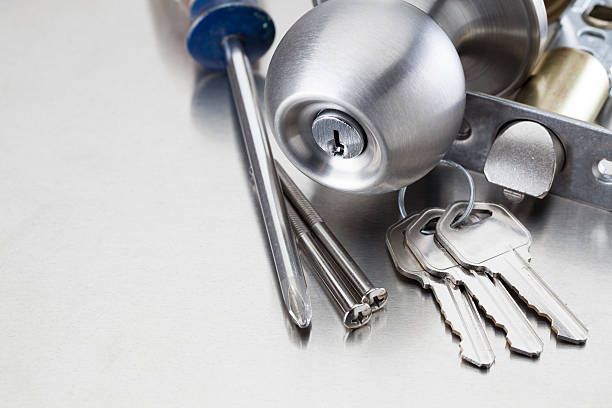
In today’s world, ensuring the security of both residential and commercial properties is paramount. One effective method to enhance security is through the use of a restricted key system. This system offers a sophisticated approach to controlling access to various premises, ensuring that only authorized individuals can enter specific areas. With advancements in technology, restricted key systems have become more robust and reliable, providing peace of mind and an added layer of security for property owners and managers.
Understanding Restricted Key Systems
A restricted key system is a specialized locking mechanism that uses patented key profiles to prevent unauthorized duplication. These systems are designed to offer superior security by limiting the ability to copy keys without proper authorization.
Features of Restricted Key Systems
- Patent Protection: Keys in restricted systems are often protected by patents, making them difficult to duplicate without the proper authorization.
- Key Control: Only authorized locksmiths can create or duplicate keys.
- Enhanced Security: The unique design of restricted keys reduces the risk of unauthorized access.
- Audit Trail: Some systems allow for tracking of key usage, providing an audit trail for increased security management.
Benefits of Implementing a Restricted Key System
Implementing a restricted key system can offer numerous benefits, particularly for businesses looking to enhance their security measures. Some of the key advantages include:
- Access Control: Restricts access to certain areas, ensuring only authorized personnel can enter.
- Cost-Effective: Over time, the need for rekeying is minimized since keys cannot be easily duplicated.
- Professional Installation: By working with a restricted key system locksmith, installations are performed to the highest standards.
- Scalability: Systems can be easily expanded to include additional locks and keys as needed.
Applications of Restricted Key Systems
Restricted key systems are versatile and can be applied in various settings. They are commonly used in:
- Commercial Buildings: To protect offices and sensitive areas.
- Residential Properties: To secure homes and prevent unauthorized access.
- Educational Institutions: To control access to classrooms and laboratories.
- Healthcare Facilities: To secure confidential patient records and medication areas.
Choosing the Right System
Selecting the appropriate restricted key system depends on several factors, including the level of security required, the complexity of the keying system, and budgetary constraints. Consulting with a professional locksmith can provide valuable insights into the best system for your specific needs.
Factors to Consider
- Security Needs: Assess the level of security required for your premises.
- Number of Doors and Keys: Consider how many doors need to be secured and the number of keys required.
- Future Expansion: Ensure the system can accommodate future growth or changes in access requirements.
Maintaining a Restricted Key System
Regular maintenance and audits are essential to ensure the continued effectiveness of a restricted key system. This includes periodic checks of locks and keys, as well as updating the system to accommodate any changes in access requirements.
Best Practices for Maintenance
- Regular Inspections: Conduct regular inspections of locks and keys to identify any potential issues.
- Key Audits: Perform key audits to ensure all keys are accounted for and there are no unauthorized duplicates.
- Professional Servicing: Engage with professionals for regular servicing and updates.
In conclusion, a restricted key system provides a reliable and secure method for controlling access to both residential and commercial properties. By implementing such a system, property owners can significantly reduce the risk of unauthorized access and enhance overall security. For the best results, it is advisable to work with a knowledgeable restricted key system locksmith to ensure optimal installation and maintenance.