
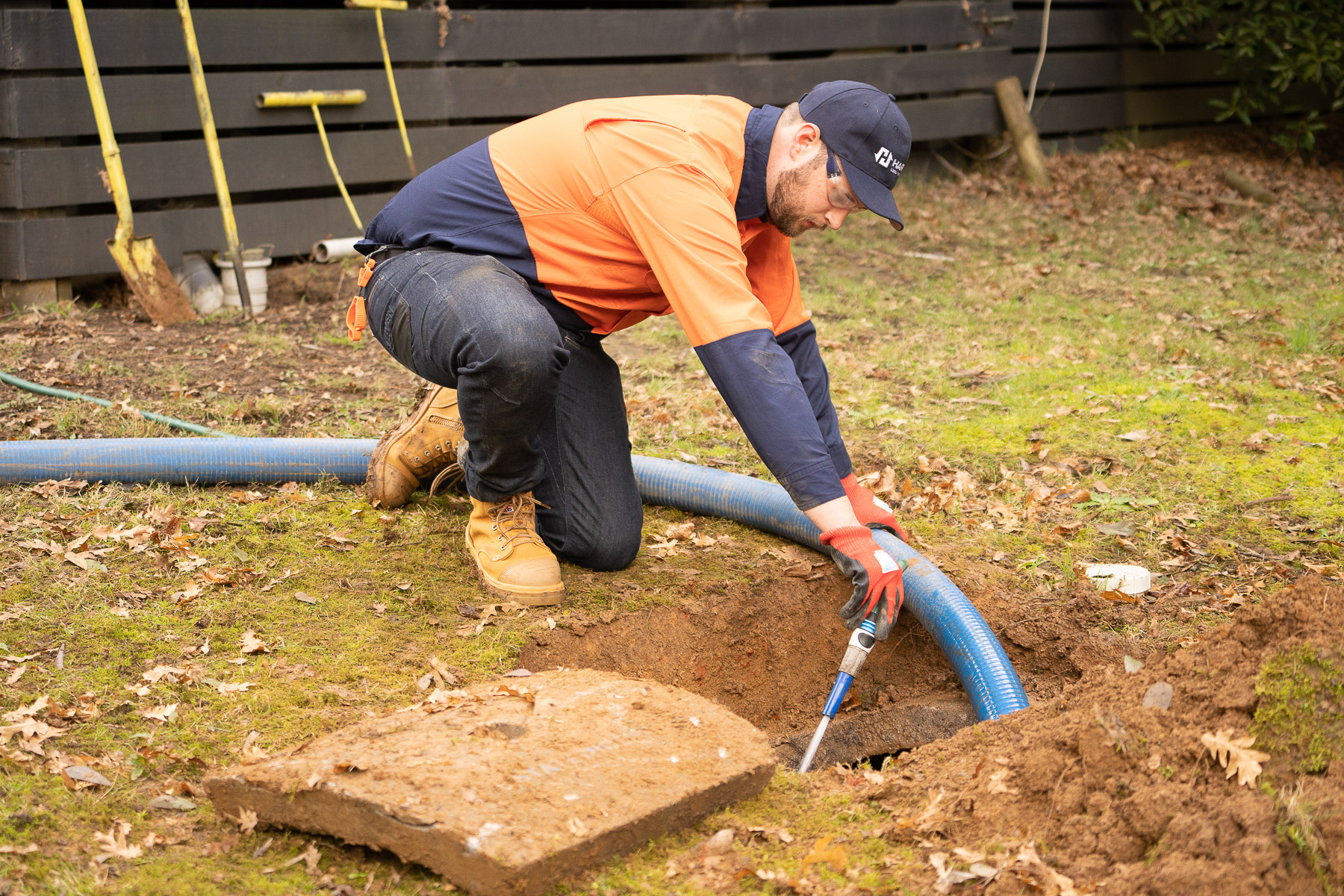
Septic tank systems are integral components of many residential and commercial properties, especially in areas not serviced by municipal sewer systems. Proper maintenance is crucial to ensure they function efficiently and effectively, minimizing the risk of costly repairs or replacements. One of the most critical aspects of maintaining a septic system is regular septic tank pumping. This article provides an expert guide on everything you need to know about septic tank pumping, from understanding why it's necessary to how often it should be done.
Understanding the Importance of Septic Tank Pumping
Pumping your septic tank is essential for several reasons:
- Prevents Overflow: Regular pumping prevents solids from accumulating to the point where they overflow into the drain field, causing blockages and potential contamination.
- Extends System Life: Removing sludge and scum build-up helps prolong the life of the septic system by reducing wear and tear.
- Avoids Environmental Hazard: Proper maintenance ensures that harmful substances are not released into the environment, protecting local water sources and ecosystems.
How Often Should Septic Tank Pumping Be Done?
The frequency of septic tank pumping depends on several factors:
- Tank Size: Larger tanks can hold more waste and may require less frequent pumping.
- Household Size: More people using the system typically means more frequent pumping is necessary.
- Usage Patterns: Homes with high water usage or those that frequently use garbage disposals may need more frequent service.
For most households, a septic tank should be pumped every three to five years. However, it is advisable to consult with a professional to determine the best schedule based on individual circumstances. For more detailed guidance, consider visiting a professional septic tank pumping service provider.
Signs That Your Septic Tank Needs Pumping
Even with a standard schedule, certain signs can indicate that your septic tank requires immediate attention:
- Slow Drains: If sinks, showers, and toilets drain slowly, it might be time for a pump-out.
- Unpleasant Odors: Foul smells near the septic tank or inside the house can be a clear indicator.
- Lush Patches in Lawn: Overly green and lush patches of grass above the drain field can signal leakage from a full tank.
Recognizing these signs early can prevent serious damage to your septic system and home.
What to Expect During Septic Tank Pumping
Knowing what to expect can help ease any concerns about the septic tank pumping process:
- Inspection: A professional will inspect the tank for leaks and check the sludge and scum layers.
- Pumping: The contents of the tank are pumped out using specialized equipment.
- Cleaning: The tank is cleaned, and the technician may offer maintenance tips.
It is advisable to be present during the pumping to ask questions and gain insights into maintaining the system.
Choosing a Professional Service
Selecting a qualified professional for septic tank pumping is crucial:
- Experience: Ensure the company has extensive experience and expertise in septic systems.
- Certification: Look for certifications or licenses, which indicate a commitment to industry standards.
- Reputation: Read reviews and seek recommendations from neighbors or local community groups.
Partnering with a reputable service provider ensures that your septic system is in good hands and can prevent future complications.
Regular septic tank pumping is a vital part of home maintenance that protects health, extends the life of the septic system, and safeguards the environment. By understanding the importance, recognizing the signs, and choosing a trusted professional service, homeowners can ensure their septic systems remain in optimal condition for years to come.