
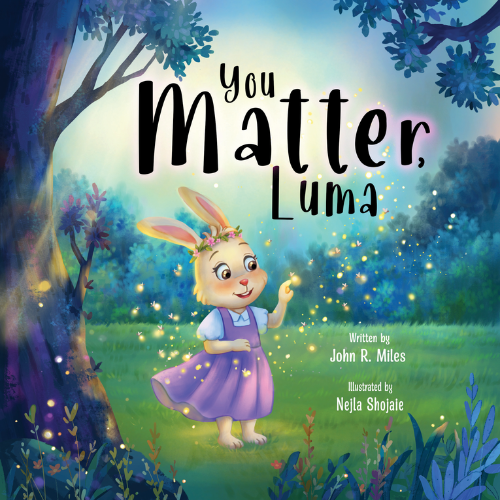
Social emotional picture books have become an essential tool in nurturing emotional intelligence and resilience among young learners. These books are not merely for entertainment; they are instrumental in teaching children about empathy, self-regulation, and interpersonal skills. As the complexity of the world continues to grow, equipping children with the ability to understand and manage emotions is crucial. The integration of literature with social and emotional learning (SEL) objectives is a powerful strategy that educators and parents can utilize to foster a supportive and understanding environment for children.
The Importance of Social Emotional Learning (SEL)
Social emotional learning is the process through which children and adults acquire the skills to recognize and manage emotions, set and achieve positive goals, show empathy for others, establish and maintain positive relationships, and make responsible decisions. SEL is essential in:
- Improving academic performance
- Enhancing emotional regulation and self-awareness
- Building stronger interpersonal skills
- Promoting positive behavior in social settings
Introducing SEL through picture books can make these concepts more relatable and understandable for young minds. Using stories and illustrations helps children visualize the emotions and scenarios they might encounter, making the learning process engaging and effective. Discover expert strategies here to integrate SEL into everyday learning.
Why Picture Books Are Effective
Picture books are a unique medium that combines visual and textual elements to convey complex emotions and narratives. They provide:
- An engaging way to present emotional concepts through relatable characters and stories
- Opportunities for children to see themselves and others in different situations
- A visual context that supports comprehension, especially for young or struggling readers
By using picture books, educators can open discussions about feelings and behaviors in a safe and approachable manner. Explore advanced guides and tips on selecting appropriate books for different age groups.
Incorporating Social Emotional Picture Books in Education
Strategies for Educators
Incorporating social emotional picture books into the curriculum can be done through various strategies:
- Dedicated SEL reading sessions that focus on different themes such as empathy, kindness, or resilience
- Interactive read-alouds followed by discussions to reflect on the characters’ emotions and actions
- Creative activities like drawing or acting out scenes to deepen understanding and expression
These methods encourage students to connect with the material on a personal level, facilitating deeper learning and retention. For more detailed strategies, learn about our tailored solutions.
Tips for Parents
Parents play a crucial role in reinforcing SEL at home. Here are some tips:
- Choose books that reflect your child?s experiences and challenges
- Engage in open-ended conversations about the themes and characters
- Model the emotional skills and behaviors depicted in the books
By fostering open communication and empathy at home, parents can significantly impact their child’s emotional development. Find out more about this approach to support your child?s growth.
Conclusion
Incorporating social emotional picture books into both educational settings and home environments offers a dynamic way to enhance children’s emotional intelligence and social skills. As these resources become more widely recognized and utilized, the potential for positive impact on the next generation continues to grow. By leveraging the power of storytelling combined with SEL, educators and parents can provide children with the tools they need to navigate the complexities of their emotional landscapes effectively. For further resources and insights into integrating SEL in diverse environments, visit You Matter Luma.