
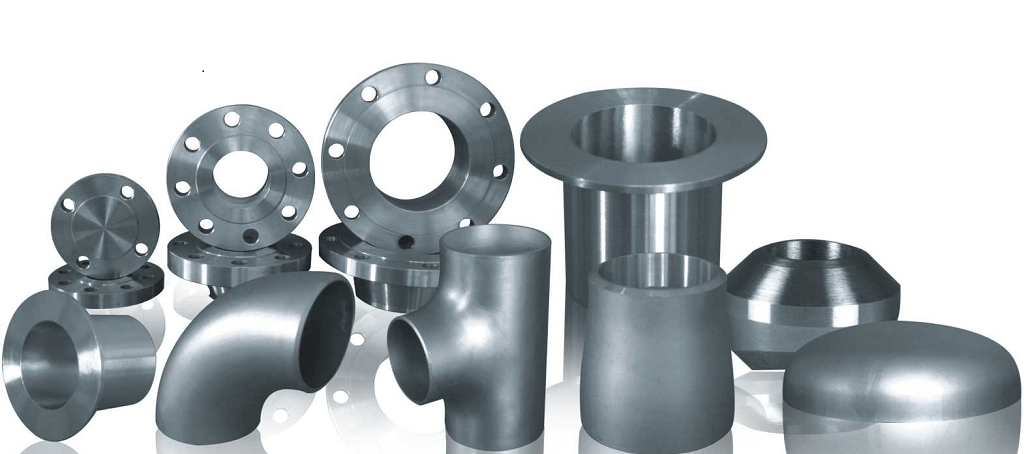
Steel pipe joints play a crucial role in various industrial applications, including construction, oil and gas, and water distribution systems. They ensure the integrity and reliability of piping systems, preventing leaks and ensuring smooth operation. However, like any other component, steel pipe joints can develop issues over time due to various factors such as environmental conditions, material fatigue, and installation errors. Understanding these common issues and how to address them can significantly enhance the longevity and performance of piping systems.
Common Issues with Steel Pipe Joints
Corrosion
Corrosion is one of the most prevalent problems affecting steel pipe joints. It can lead to the deterioration of the joint material, resulting in leaks and reduced structural integrity. Several factors contribute to corrosion, including:
- Exposure to moisture and humid environments.
- Contact with corrosive chemicals or substances.
- Electrochemical reactions between dissimilar metals.
To mitigate corrosion, it’s essential to select appropriate materials and coatings that resist corrosive elements. Regular maintenance and inspections can also help identify early signs of corrosion, allowing for timely intervention.
Improper Installation
Improper installation can lead to misalignment, excessive stress, and eventual failure of pipe joints. Common installation errors include:
- Incorrect torque application on joint fasteners.
- Inadequate sealing of joints, leading to leaks.
- Mismatched or incompatible joint components.
Ensuring that all installation procedures adhere to industry standards and guidelines is crucial. Training personnel and using specialized tools can help minimize such errors.
Fatigue and Wear
Over time, repeated stress and environmental factors can cause fatigue and wear in steel pipe joints. This issue is particularly common in high-vibration environments or where the pipes are subject to frequent pressure changes. Indicators of fatigue and wear include:
- Visible cracks or deformation in joint components.
- Increased leakage or seepage around joints.
- Noises such as squeaking or rattling during operation.
Regular monitoring and employing non-destructive testing methods can help detect fatigue early. Replacing worn components and employing shock absorbers can also extend the life of the joints.
Solutions to Address Steel Pipe Joint Issues
Material Selection
Choosing the right materials is critical in preventing joint problems. Considerations include:
- Using corrosion-resistant materials like stainless steel or coated carbon steel.
- Selecting materials compatible with the fluids or gases being transported.
- Ensuring compatibility with the operating temperature and pressure.
Proper material selection can significantly reduce the risk of corrosion and extend the life of the piping system.
Regular Maintenance and Inspection
Implementing a rigorous maintenance and inspection schedule is vital. Key steps include:
- Conducting regular visual inspections for signs of wear or damage.
- Using advanced techniques like ultrasonic testing for deeper analysis.
- Documenting and analyzing inspection data to predict potential failures.
Regular maintenance not only prevents unexpected failures but also ensures optimal performance and safety.
Advanced Joining Techniques
Employing advanced joining techniques can enhance joint performance and reliability. These techniques include:
- Welding methods such as butt welding and socket welding for stronger joints.
- Use of high-quality gaskets and sealants to prevent leaks.
- Innovative designs that minimize stress and improve alignment.
Staying abreast of technological advancements in joining methods can greatly improve joint integrity.
Understanding the complexities of steel pipe joints and addressing their common issues proactively can ensure the durability and efficiency of industrial piping systems. By focusing on material selection, installation best practices, and regular maintenance, the challenges associated with steel pipe joints can be effectively managed.