
As energy efficiency becomes a growing concern for homeowners, choosing the right insulation material is crucial. Among various options, polyurethane foam stands out as a highly effective solution for home insulation. Known for its superior insulating properties, polyurethane foam not only enhances thermal efficiency but also contributes to a comfortable indoor environment. This article delves into the key benefits of using polyurethane foam for home insulation, offering insights into its functionality and advantages.
Understanding Polyurethane Foam
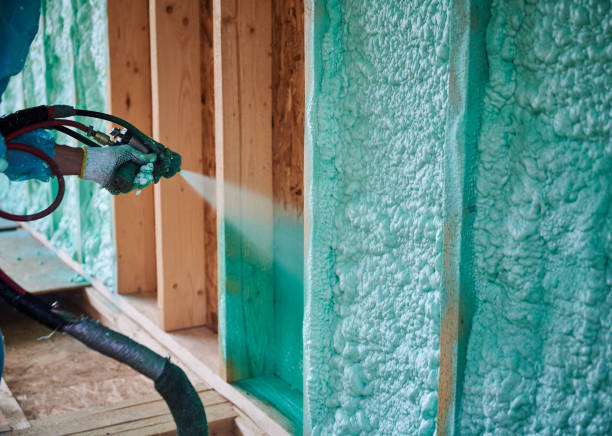
Polyurethane foam is a versatile material used widely in various applications, including home insulation. It is composed of two main chemicals that react to form a foam, which expands and solidifies. This process allows the foam to fill cavities and gaps, creating an effective barrier against heat transfer.
Types of Polyurethane Foam
There are primarily two types of polyurethane foam used in insulation:
- Open-cell Foam: This type is softer and less dense, making it suitable for areas that require flexibility and sound absorption.
- Closed-cell Foam: Known for its rigidity and higher density, closed-cell foam is ideal for areas requiring strength and moisture resistance.
Key Benefits of Polyurethane Foam Insulation
Polyurethane foam offers several advantages that make it a preferred choice for home insulation:
- Energy Efficiency: The foam’s high R-value, which measures thermal resistance, ensures that homes remain warm in winter and cool in summer, reducing energy bills significantly.
- Moisture Resistance: Closed-cell polyurethane foam acts as an effective moisture barrier, preventing mold and mildew growth.
- Air Barrier: The foam seals cracks and joints, minimizing air leaks and improving indoor air quality.
- Durability: Known for its long-lasting properties, polyurethane foam maintains its insulating ability over time, offering a reliable solution for building longevity.
- Eco-friendliness: With the ability to reduce energy consumption, using polyurethane foam contributes to a reduction in carbon footprint.
Applications of Polyurethane Foam
Polyurethane foam’s versatility extends to a range of applications within the home:
- Walls and Attics: Effective in filling wall cavities and attics, providing a comprehensive insulation solution.
- Basement Insulation: The moisture-resistant properties of high density polyurethane foam make it ideal for basement environments.
- Roof Insulation: Protects against heat gain and loss, enhancing the home’s overall thermal efficiency.
Considerations for Polyurethane Foam Insulation
When opting for polyurethane foam insulation, consider the following:
- Professional Installation: Ensure that installation is carried out by professionals to achieve optimal results and safety standards.
- Cost Factors: While the initial investment may be higher compared to other insulation materials, the long-term savings on energy bills can offset this expenditure.
- Safety Precautions: Proper ventilation and the use of protective gear during application are essential to prevent exposure to chemicals.
Conclusion
Polyurethane foam has cemented its place as an exceptional choice for home insulation due to its thermal efficiency, durability, and versatility. As homeowners seek sustainable and cost-effective solutions, the adoption of polyurethane foam continues to grow. When installed correctly, it can significantly enhance the comfort and energy efficiency of residential spaces, making it a wise investment for the future.