
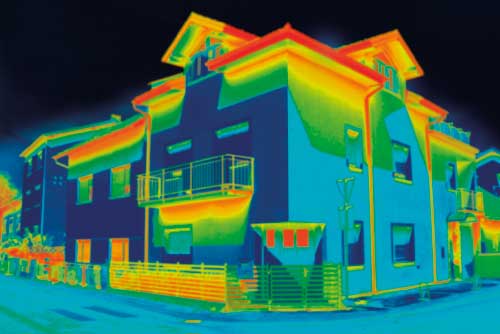
In today’s world, energy efficiency is not just a trend but a necessity. With increasing awareness about environmental impact and the rising cost of energy, maximizing efficiency in energy usage is crucial for businesses and homeowners alike. An essential tool in this endeavor is the Energy Performance Certificate (EPC), which provides valuable insights into the energy efficiency of buildings. By understanding and utilizing EPCs, property owners can significantly enhance their energy management strategies.
What is an Energy Performance Certificate?
An Energy Performance Certificate (EPC) is a document that assesses the energy efficiency of a building and provides a rating from A (most efficient) to G (least efficient). The certificate outlines the energy performance of the property and offers recommendations for improvement. EPCs are mandatory for properties when they are built, sold, or rented, helping prospective buyers or tenants understand the energy efficiency of the building before committing.
Benefits of Energy Performance Certificates
The advantages of obtaining an EPC are manifold, offering both environmental and financial benefits:
- **Cost Savings:** By following the recommendations in an EPC, property owners can reduce energy bills significantly.
- **Environmental Impact:** Improved energy efficiency leads to reduced carbon emissions, contributing to environmental conservation.
- **Increased Property Value:** Energy-efficient properties are often more attractive to buyers and tenants, potentially increasing marketability and value.
- **Compliance and Legal Requirements:** Ensures compliance with local regulations, avoiding potential fines and penalties.
- **Informed Decision Making:** Provides detailed insights that help in making informed decisions regarding energy investments and improvements.
For more on the benefits of EPCs, explore further insights here.
How to Obtain an Energy Performance Certificate
Obtaining an EPC is a straightforward process. It involves a qualified energy assessor visiting the property to conduct an assessment. The assessor evaluates various elements such as insulation, heating systems, and windows, after which they produce the EPC.
Steps to Obtain an EPC:
- **Find a Registered Energy Assessor:** Ensure the assessor is certified and has the necessary qualifications.
- **Schedule an Assessment:** Agree on a suitable time for the inspection with the assessor.
- **Receive the EPC:** After the assessment, the energy assessor will provide a detailed EPC with ratings and recommendations.
To learn more about the process and requirements, read more about this topic.
Implementing Recommendations from an EPC
Once an EPC is obtained, the next step is to implement the recommendations provided. These recommendations are tailored to improve the energy efficiency of the specific property. Common suggestions include:
- **Upgrading Insulation:** Improving wall and roof insulation to reduce heat loss.
- **Installing Energy-efficient Windows:** Replacing single-glazed windows with double or triple glazing.
- **Enhancing Heating Systems:** Upgrading to more efficient boilers or installing renewable energy systems like solar panels.
- **Utilizing Energy-efficient Lighting:** Switching to LED lighting to reduce energy consumption.
Implementing these measures can lead to significant energy savings and a reduction in carbon footprint. For a detailed guide on implementing energy efficiency improvements, find additional information here.
Conclusion
Energy Performance Certificates are not just a regulatory requirement; they are a vital tool in the pursuit of energy efficiency. By understanding and acting on the insights provided by EPCs, property owners can achieve substantial cost savings, reduce environmental impact, and enhance property value. With the right strategies and commitment, maximizing efficiency with EPCs is a practical and achievable goal. For more detailed guidance and resources, learn more in this detailed guide.