
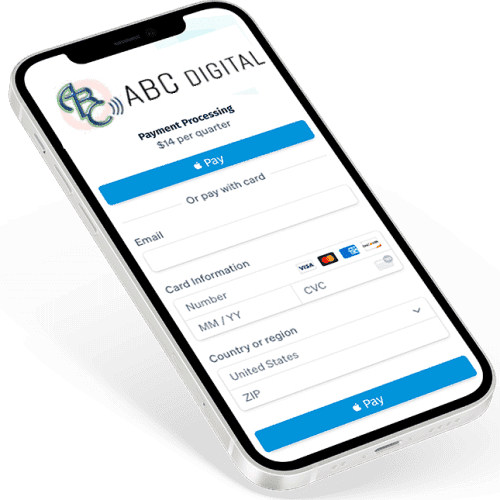
When it comes to accepting credit card payments for your business, one of the biggest challenges is dealing with processing fees. These fees can quickly eat into your profits and make it difficult to maximize savings. However, there are ways to minimize or even eliminate these fees altogether. In this article, we will explore how you can maximize your savings with credit card processing without fees.
The Problem with Credit Card Processing Fees
Credit card processing fees can significantly impact your bottom line. These fees are charged by the payment processor every time a customer makes a purchase using a credit card. The fees typically include a flat rate per transaction as well as a percentage of the total sale amount. Over time, these fees can add up and cut into your profits.
Understanding Interchange Fees
One of the main components of credit card processing fees is the interchange fee. This fee is set by the credit card networks (Visa, Mastercard, etc.) and is paid by the merchant's bank to the cardholder's bank for each transaction. Interchange fees can vary depending on the type of card used, the size of the transaction, and other factors.
Additional Fees
In addition to interchange fees, credit card processors may also charge other fees, such as assessment fees, transaction fees, batch fees, and monthly statement fees. These additional fees can quickly add up and make credit card processing an expensive proposition for small businesses.
Maximizing Savings without Fees
Choose a Payment Processor with Transparent Pricing
- Look for a payment processor that offers transparent pricing with no hidden fees.
- Avoid processors that charge excessive fees or lock you into long-term contracts.
- Compare pricing from multiple processors to find the best deal for your business.
Utilize Flat-Rate Pricing
- Consider using a payment processor that offers flat-rate pricing.
- Flat-rate pricing charges a fixed percentage of each transaction, making it easier to predict and budget for processing costs.
- This can be a cost-effective option for businesses with lower transaction volumes.
Negotiate for Lower Rates
- Don't be afraid to negotiate with your payment processor for lower rates.
- If your business has a high volume of transactions, you may be able to negotiate better pricing.
- Shop around and use competing offers to leverage a better deal with your current processor.
Alternative Payment Options
Consider Accepting ACH Payments
- ACH payments are electronic bank-to-bank transfers that bypass credit card networks.
- ACH payments typically have lower processing fees compared to credit cards.
- Offering ACH as a payment option can help reduce your overall processing costs.
Explore Cryptocurrency Payments
- Cryptocurrency payments offer low processing fees and fast transactions.
- Accepting cryptocurrency can attract tech-savvy customers and reduce reliance on traditional payment methods.
- Consider integrating cryptocurrency payments into your checkout process to diversify payment options.
Monitor and Optimize
Regularly Review Your Processing Costs
- Keep track of your processing costs and look for opportunities to optimize your payment workflows.
- Monitor your transaction volumes and evaluate the impact of different payment methods on your bottom line.
- Stay informed about new payment technologies and trends that could help reduce your processing costs.
Optimize Your Payment Processes
- Streamline your checkout process to reduce abandoned carts and increase conversions.
- Offer multiple payment options to cater to a wide range of customer preferences.
- Implement fraud prevention measures to reduce chargebacks and protect your business from losses.
By following these strategies and tips, you can maximize your savings with credit card processing without fees. Remember to stay informed about changes in the payment processing industry and be proactive in managing your processing costs to keep more money in your pocket.