
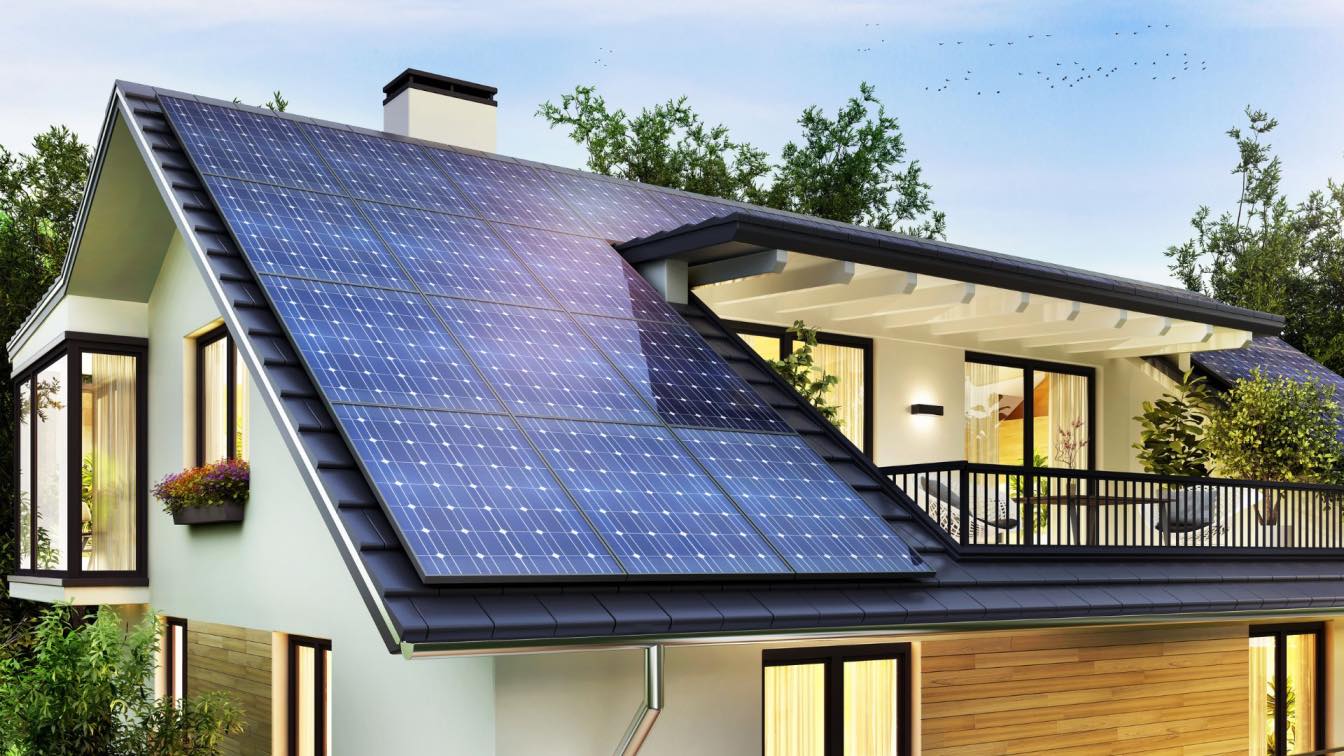
As the demand for renewable energy sources continues to rise, residential solar power stands out as a sustainable and cost-effective solution. However, to truly leverage the potential of solar energy, optimizing the design of residential solar systems is crucial. This involves meticulous planning and implementation, ensuring that solar installations are not only effective but also efficient. By understanding key factors such as geographic location, roof orientation, shading, and technology advancements, homeowners can maximize their solar energy output and achieve significant cost savings.
Understanding Geographic and Climatic Influences
Geographic location plays a pivotal role in the design of solar systems. The intensity and duration of sunlight vary significantly across different regions, affecting the potential energy output. In areas with abundant sunshine, solar panels can operate at maximum efficiency. Conversely, regions with frequent cloudy days or seasonal variations require careful planning to ensure optimal performance.
Key Considerations:
- Latitude and altitude of the installation site.
- Average daily sunlight hours throughout the year.
- Local weather patterns and seasonal variations.
Discover expert strategies here to account for geographic and climatic factors in solar design.
Optimizing Roof Orientation and Tilt
The orientation and tilt of solar panels significantly influence their efficiency. Ideally, solar panels should face true south in the Northern Hemisphere and true north in the Southern Hemisphere to capture maximum sunlight throughout the day. The tilt angle should also be adjusted to match the latitude of the location for optimal energy absorption.
Guidelines for Optimal Orientation:
- Adjusting the tilt angle to the local latitude for maximum year-round efficiency.
- Ensuring the roof has a clear southern exposure free from obstructions.
- Considering adjustable mounts to optimize seasonal energy capture.
For more detailed guidance on orientation and tilt, learn about our tailored solutions.
Addressing Shading Issues
Shading is one of the most significant factors that can reduce the efficiency of solar panels. Even partial shading can lead to substantial energy losses. Therefore, a comprehensive shading analysis is essential at the design stage to mitigate these effects.
Effective Strategies:
- Conducting a detailed site survey to identify potential shading sources.
- Utilizing micro-inverters or power optimizers to minimize shading impact.
- Designing the layout to avoid shaded areas during peak sunlight hours.
Explore advanced guides and tips to effectively tackle shading challenges.
Leveraging Advanced Technology
The integration of advanced technology in residential solar design can significantly enhance system efficiency. Innovations such as high-efficiency photovoltaic cells, smart inverters, and energy storage solutions offer substantial performance improvements.
Technological Enhancements:
- Using monocrystalline panels for higher efficiency and improved aesthetics.
- Implementing smart inverters for real-time monitoring and control.
- Incorporating battery storage to maximize energy use and reduce reliance on the grid.
Find out more about this approach to incorporate cutting-edge technology in solar design.
Conclusion
Optimizing residential solar design requires a comprehensive approach that considers various factors such as location, orientation, shading, and technology. By implementing these strategies, homeowners can maximize their energy output and enjoy the benefits of a sustainable and efficient solar power system. To explore detailed solutions and expert insights, visit the provided resources for guidance tailored to specific needs and locations.