
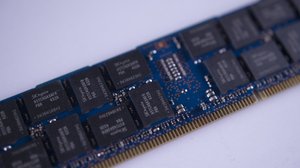
In today’s fast-paced digital world, ensuring optimal system performance is essential for both personal and professional computing needs. One of the most effective methods to enhance the performance of a computer system is through a RAM upgrade. Random Access Memory (RAM) is crucial for the smooth operation of multiple applications and efficient multitasking. Upgrading RAM not only improves speed but also extends the overall lifespan of your device. Understanding the various options and strategies available for RAM upgrades can significantly enhance your computing experience.
Understanding RAM and Its Impact on Performance
RAM is a form of volatile memory that temporarily stores data for quick access by the computer’s processor. The quantity and speed of RAM directly affect how efficiently a system can handle tasks. Insufficient RAM can lead to slow performance, frequent crashes, and the inability to run multiple programs simultaneously.
Key Benefits of a RAM Upgrade
- Enhanced Multitasking: More RAM allows users to run multiple applications without lag.
- Improved System Responsiveness: Faster data retrieval times lead to smoother operation.
- Future-Proofing: Additional RAM prepares systems for future software updates and demands.
- Increased Gaming Performance: For gamers, more RAM can significantly enhance the gaming experience.
Types of RAM Upgrades
There are several types of RAM upgrades available, each suited to different needs and systems. Choosing the right type of RAM is crucial for maximizing performance improvements.
DDR3 vs. DDR4
DDR3 and DDR4 are two prevalent types of RAM. DDR4 is the newer technology, offering higher data transfer rates and improved energy efficiency compared to DDR3. However, compatibility with the motherboard is essential. Find out more about this approach and determine the best fit for your system.
Single vs. Dual Channel
Single and dual-channel configurations refer to how RAM modules are installed on the motherboard. Dual-channel setups can provide a performance boost by allowing simultaneous data processing. Explore advanced guides and tips on configuring RAM for optimal performance.
Considerations for a Successful RAM Upgrade
Prior to upgrading RAM, certain factors should be considered to ensure compatibility and effectiveness.
Compatibility
It’s vital to confirm that the new RAM is compatible with the existing motherboard and system specifications. Check for supported RAM types, speeds, and maximum capacities. Learn about our tailored solutions to verify compatibility.
Installation Process
Installing RAM can be a straightforward process, but it requires care to avoid damage. Ensure that the device is powered off and unplugged before installation. Follow the manufacturer’s instructions or seek professional assistance if uncertain. Discover expert strategies here for safe and effective RAM installation.
Conclusion
Upgrading RAM is an invaluable investment for enhancing system performance, enabling smoother operation, and supporting future computing needs. By understanding the different types of RAM and ensuring compatibility and correct installation, users can significantly boost their devices’ capabilities. Embrace the opportunity to improve your system’s functionality and explore comprehensive resources and guides available to aid in the upgrade process.