
In the world of construction and manufacturing, materials that offer durability, versatility, and efficiency are highly sought after. Among these, polyurethane foam, particularly high density polyurethane foam, stands out due to its exceptional qualities. This material has become a preferred choice in various industries for its unique properties that contribute to improved performance and longevity of products.
Understanding High Density Polyurethane Foam
High density polyurethane foam is a type of material that offers a higher weight per cubic foot compared to standard polyurethane foam. This increase in density enhances several of its properties, making it suitable for applications that demand strength and durability.
Characteristics of High Density Polyurethane Foam
- Durability: With a higher density, this foam is less prone to wear and tear, ensuring longer-lasting performance.
- Support: It provides superior support, which is crucial for applications like seating and bedding.
- Insulation: The foam’s structure makes it an excellent insulator, making it ideal for temperature control applications.
- Moisture Resistance: Its dense nature helps in resisting moisture, preventing mold and mildew growth.
- Versatility: Can be easily cut and shaped to fit various applications.
Applications in Construction and Manufacturing
The versatility of high density polyurethane foam makes it an invaluable asset in construction and manufacturing industries. Its applications are diverse, providing solutions to everyday structural and design challenges.
Construction Industry
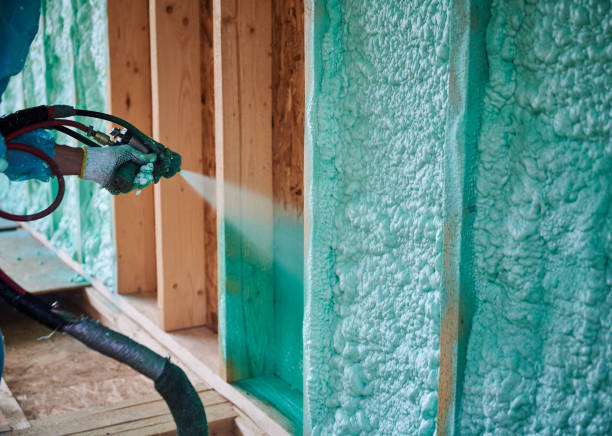
- Insulation: Used in walls, roofs, and floors to maintain temperature and improve energy efficiency.
- Soundproofing: Effective in reducing noise transmission, making it suitable for residential and commercial buildings.
- Structural Support: Adds strength to construction elements without adding significant weight.
Manufacturing Applications
- Furniture and Upholstery: Offers comfort and support in seating and bedding products.
- Automotive: Used in car seats and interiors for its comfort and durability.
- Packaging: Provides protective cushioning for delicate items.
Benefits in Environmental and Economic Terms
High density polyurethane foam not only contributes to the efficiency and effectiveness of products but also offers significant environmental and economic benefits.
Environmental Impact
- Energy Efficiency: Its excellent insulation properties reduce the need for heating and cooling, cutting down energy consumption.
- Recyclability: The foam can be recycled and repurposed, minimizing environmental waste.
Economic Advantages
- Cost-Effective: Long-lasting durability reduces the need for frequent replacements, saving costs in the long run.
- Versatile Use: A single material that can fulfill multiple functions, reducing the need for multiple products.
Conclusion
Incorporating high density polyurethane foam into industrial applications offers a myriad of benefits, from enhancing product longevity to improving energy efficiency. Its diverse applications across different sectors underscore its value as a reliable material choice. As industries continue to seek sustainable and effective solutions, materials like high density polyurethane foam will remain pivotal in advancing technological and environmental progress.