
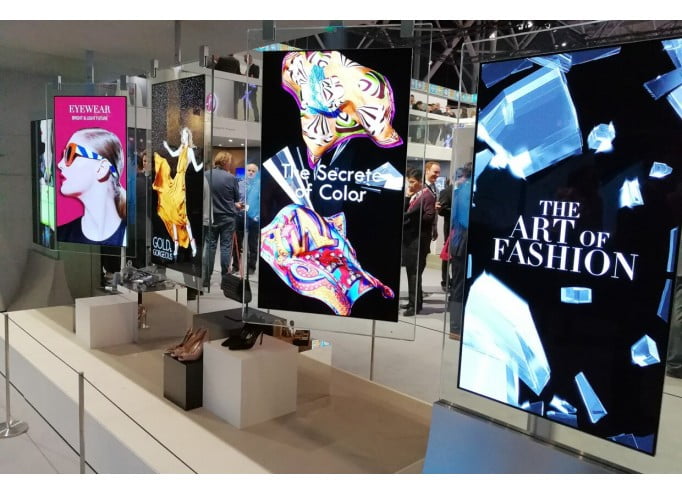
With the rapid evolution of technology, businesses are continuously seeking innovative ways to capture consumer attention and enhance their marketing strategies. One such innovation that has significantly impacted modern marketing is digital signage. This dynamic and versatile tool has redefined how brands communicate with their audience, offering a more engaging and interactive experience compared to traditional advertising mediums.
The Rise of Digital Signage in Marketing
Digital signage, also known as electronic signage, has become a pivotal component in marketing strategies across various industries. Its growth can be attributed to several factors:
- Dynamic Content Delivery: Unlike static billboards or printed advertisements, digital signage allows for dynamic content updates. This means businesses can tailor their messages to fit specific audiences at different times of the day.
- Engagement and Interaction: Interactive digital displays can engage customers more effectively, encouraging interaction through touchscreens or QR codes that lead to further online content.
- Cost Efficiency: Over time, digital signage can be more cost-effective as it eliminates the need for printing and distribution of physical materials.
Integration with Modern Technologies
Digital signage is not just about displaying images or videos. Its true power lies in its ability to integrate with other technologies, enhancing its effectiveness as a marketing tool.
Data-Driven Insights
Advanced digital signage solutions can collect data on customer interactions, providing businesses with valuable insights. This data can be used to refine marketing strategies, ensuring messages are not only reaching the right audience but also resonating with them.
Seamless Connectivity
With the integration of IoT (Internet of Things) and mobile technologies, digital signage can provide personalized content based on real-time data. For instance, weather conditions or local events can trigger specific advertisements, ensuring relevance and increasing the likelihood of engagement.
Transformative Impact on Various Industries
The impact of digital signage is evident across a range of sectors, each leveraging its capabilities to meet distinct objectives.
- Retail: Retailers use digital signage to enhance the shopping experience, displaying product information, promotions, and even enabling self-checkout options.
- Hospitality: Hotels and restaurants employ digital signage for wayfinding, menu displays, and promoting special offers, thus improving guest experience and operational efficiency.
- Healthcare: In medical facilities, digital signage facilitates patient communication, wayfinding, and dissemination of health-related information.
Challenges and Considerations
Despite its advantages, businesses must navigate certain challenges when implementing digital signage solutions:
- Content Management: Constantly updating and managing the content displayed across various locations can be resource-intensive.
- Technical Issues: As with any electronic system, digital signage can encounter technical problems that may disrupt service.
- Initial Costs: While cost-efficient in the long run, the initial investment for digital signage infrastructure can be substantial.
Conclusion
The integration of digital signage into marketing strategies represents a significant shift towards more dynamic, interactive, and data-driven advertising. Its ability to engage customers, coupled with the seamless integration of modern technologies, makes it an indispensable tool for businesses seeking to enhance their marketing efforts. As the digital landscape continues to evolve, digital signage will undoubtedly play a crucial role in shaping the future of marketing.