
The Impact of New Orleans Baby Doll Ladies on Culture and History
Introduction
The vibrant tapestry of New Orleans culture is woven with countless threads, each contributing uniquely to its colorful mosaic. Among these, the New Orleans Baby Doll Ladies stand out as a prominent cultural phenomenon. With roots deeply embedded in the city’s rich history, these women have not only entertained but also challenged societal norms, leaving an indelible mark on both local and broader cultural landscapes.
Historical Background
Origins of the Baby Doll Tradition
The tradition of the Baby Doll Ladies emerged in the early 20th century, a time when African American women sought creative outlets for expression amidst societal constraints. This tradition began as a form of resistance and empowerment, allowing women to assert their presence during the renowned Mardi Gras celebrations.
- First appearance in the 1910s, primarily among African American women.
- Inspired by a mix of cultural influences, including vaudeville and the vibrant jazz scene.
- Initially viewed as a form of subversive performance art.
Cultural Significance
Empowerment Through Performance
The Baby Doll Ladies have long been associated with themes of empowerment and self-expression. By donning elaborate costumes and engaging in spirited dance, these women have used the tradition as a platform to challenge stereotypes and celebrate femininity.
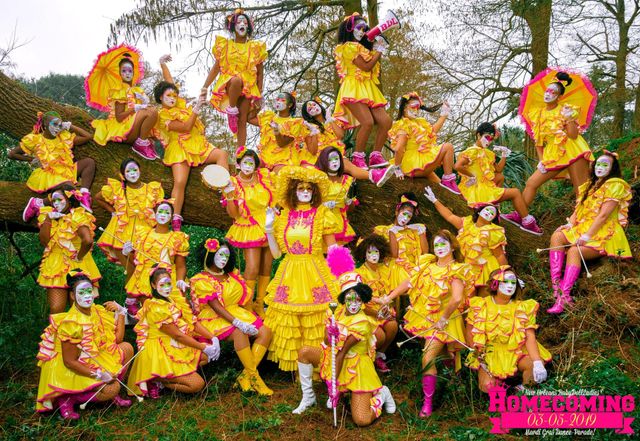
- Costumes often include lace dresses, bonnets, and parasols.
- Dance styles are heavily influenced by traditional New Orleans music.
- Serves as both a celebration of culture and a statement of individuality.
Influence on New Orleans Culture
The impact of the Baby Doll Ladies extends beyond Mardi Gras, permeating various aspects of New Orleans culture. Their presence has inspired local art, music, and even cuisine, reflecting the city’s dynamic and inclusive cultural identity.
- Influenced jazz and blues music, with artists often referencing their unique style and flair.
- Inspired local artists who capture the essence of the Baby Doll tradition in paintings and sculptures.
- Even culinary creations, such as themed cocktails and dishes, pay homage to their legacy.
Modern-Day Relevance
Continued Legacy and Evolution
In contemporary times, the legacy of the New Orleans Baby Doll Ladies continues to thrive, with new generations embracing and evolving the tradition. Modern Baby Doll groups have formed, bringing fresh perspectives while honoring their historical roots.
- Increased participation from diverse backgrounds, reflecting the evolving societal landscape.
- Integration of modern music and dance styles, showcasing a blend of tradition and innovation.
- Engagement in community outreach and cultural education initiatives.
Conclusion
The New Orleans Baby Doll Ladies represent a fascinating intersection of culture, history, and empowerment. Their enduring influence on both the local and wider cultural landscapes underscores the importance of preserving and celebrating traditions that challenge norms and inspire creativity. As the Baby Doll tradition continues to evolve, it remains a vital part of New Orleans’ cultural identity, reflecting the city’s unique spirit and resilience.