
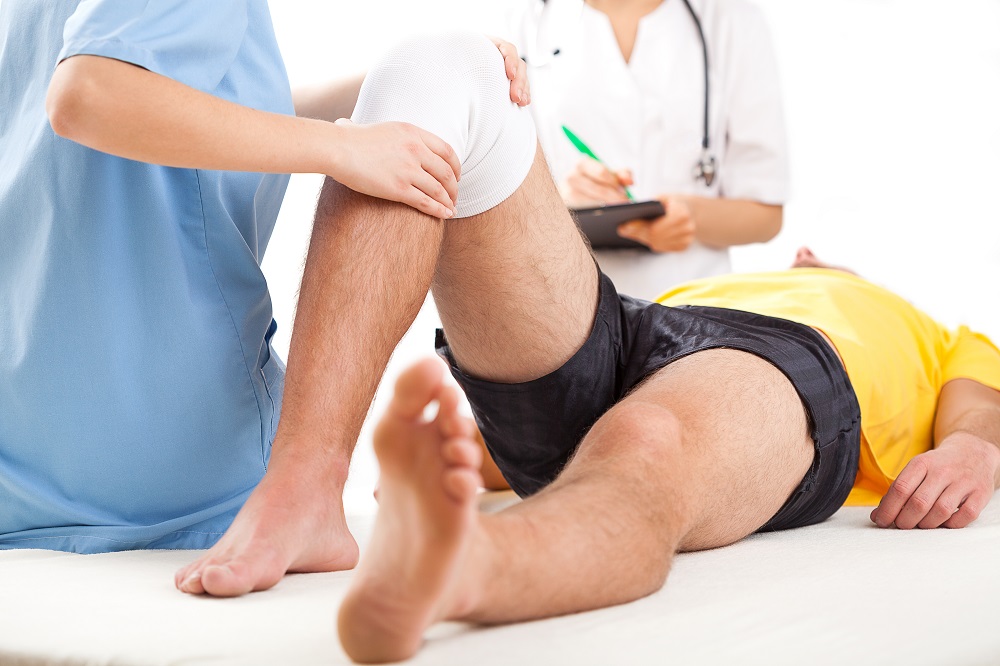
Sports injuries can occur to athletes of all levels, from professionals to weekend warriors. These injuries can result from overuse, trauma, or accidents during physical activity. Understanding effective treatment techniques is essential for a speedy recovery and to reduce the risk of further damage. This guide explores some of the top techniques for treating sports injuries, emphasizing the importance of timely and appropriate intervention. For those looking to delve deeper into specialized methods, resources are available to assist in understanding and applying these solutions effectively.
R.I.C.E Method
The R.I.C.E method is a well-known technique for managing acute sports injuries. It stands for Rest, Ice, Compression, and Elevation. This method is particularly effective during the initial 48 hours following an injury.
- Rest: Avoid activities that cause pain or discomfort. Resting the affected area prevents further damage.
- Ice: Apply ice packs to the injured area for 15-20 minutes every 2-3 hours to reduce swelling and numb the pain.
- Compression: Use elastic bandages to compress the injured area. This helps to minimize swelling.
- Elevation: Keep the injury elevated above heart level whenever possible, which aids in reducing swelling.
Physical Therapy
Physical therapy plays a crucial role in sports injury treatment. It involves exercises and techniques designed to restore strength, flexibility, and mobility. Physical therapists tailor recovery plans to the specific needs of an injury.
- Strengthening exercises to rebuild muscle.
- Stretching exercises to improve flexibility.
- Manual therapy techniques to enhance movement.
For more personalized approaches, learn about our tailored solutions here.
Massage Therapy
Massage therapy is beneficial for sports injury recovery as it helps to improve circulation, reduce muscle tension, and enhance flexibility. This method is particularly effective for soft tissue injuries.
- Increases blood flow to the injured area, speeding up recovery.
- Alleviates muscle stiffness and soreness.
- Improves range of motion and flexibility.
Explore advanced guides and tips on how massage therapy can aid in recovery.
Alternative Therapies
Acupuncture
Acupuncture is an ancient practice that involves inserting thin needles into specific points on the body. It is believed to restore balance and promote healing.
- Reduces pain and inflammation.
- Enhances the body’s natural healing process.
- Can be combined with other treatment methods for comprehensive care.
Chiropractic Care
Chiropractic care focuses on diagnosing and treating musculoskeletal issues. It involves manual adjustments to align the spine and other joints.
- Relieves pain and improves function.
- Corrects misalignments that could affect recovery.
- Non-invasive and drug-free treatment option.
To discover expert strategies here that incorporate alternative therapies.
Preventive Measures
Prevention is always better than cure. Implementing preventive measures can significantly reduce the risk of sports injuries.
- Engage in regular strength training exercises.
- Ensure proper warm-up and cool-down routines.
- Use appropriate gear and equipment.
- Listen to your body and avoid overtraining.
For a detailed understanding of how prevention works hand-in-hand with treatment, find out more about this approach.
In conclusion, effective sports injury treatment requires a combination of methods tailored to the individual’s needs. Whether through traditional methods like the R.I.C.E protocol, physical therapy, or alternative therapies, the goal is to facilitate recovery and prevent future injuries. By staying informed and proactive, athletes can ensure a return to their sport stronger and healthier.