
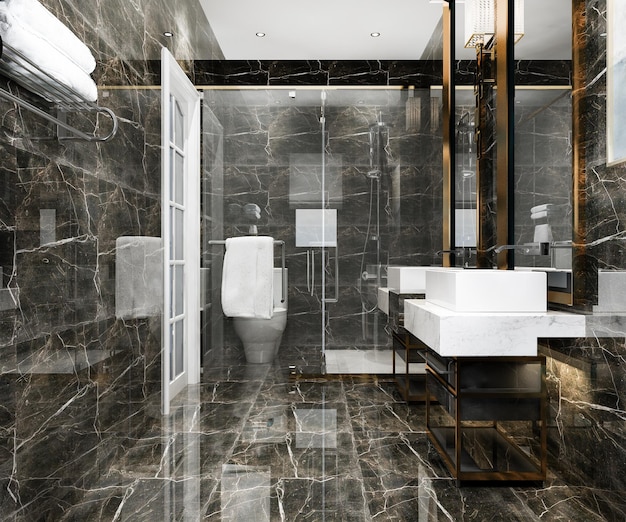
Vinyl bathroom flooring has emerged as a top choice for homeowners seeking a blend of style, durability, and affordability. Its versatility and water-resistant properties make it an ideal option for bathrooms, where moisture and spills are frequent concerns. Whether renovating a master suite or updating a small powder room, understanding the pros, cons, and costs of vinyl flooring can guide informed decisions. This guide delves into the essentials of vinyl bathroom flooring, offering insights for both novices and experienced DIYers.
Pros of Vinyl Bathroom Flooring
Vinyl flooring offers several advantages that make it a popular choice for bathroom installations:
- Water Resistance: Vinyl is highly resistant to water, making it perfect for moisture-prone areas.
- Durability: With proper maintenance, vinyl flooring can last up to 20 years, standing up well to heavy foot traffic.
- Ease of Installation: Many vinyl flooring options come with a peel-and-stick backing or interlocking planks, simplifying the installation process.
- Comfort: Vinyl is softer underfoot compared to tiles, providing a comfortable surface to walk on.
- Cost-Effective: Typically less expensive than ceramic or stone tiles, vinyl offers a budget-friendly flooring solution.
- Variety: Available in a plethora of colors and patterns, vinyl can mimic the look of natural materials like wood and stone.
For those interested in exploring advanced guides and tips on selecting the right flooring, discover expert strategies here.
Cons of Vinyl Bathroom Flooring
Despite its benefits, vinyl flooring also has several drawbacks to consider:
- Sensitivity to Extreme Temperatures: Vinyl can warp or crack under extreme temperatures, which is less of a concern in bathrooms but still noteworthy.
- Potential Discoloration: Continuous exposure to direct sunlight can lead to fading or discoloration over time.
- Environmental Considerations: Vinyl is not biodegradable and can be less environmentally friendly compared to other flooring options.
- Repair Challenges: While durable, if vinyl does get damaged, it can be challenging to repair without replacing an entire section.
To learn about our tailored solutions in selecting and maintaining vinyl flooring, find out more about this approach.
Cost of Vinyl Bathroom Flooring
The cost of vinyl bathroom flooring varies based on several factors, including the type of vinyl, the complexity of the installation, and the size of the bathroom. Here’s a breakdown of what to expect:
Material Costs
- Luxury Vinyl Planks (LVP): Range from $2 to $5 per square foot.
- Vinyl Sheets: Typically cost between $1 and $2 per square foot.
- Vinyl Tiles: Generally priced from $1.50 to $3 per square foot.
Installation Costs
- Professional Installation: Costs can range from $1 to $3 per square foot, depending on the complexity of the installation.
- DIY Installation: By opting for self-installation, one can save on labor costs, making vinyl an attractive option for DIY enthusiasts.
For those interested in understanding more about the cost implications and other considerations, explore advanced guides and tips.
Conclusion
Vinyl bathroom flooring stands out as a practical and stylish choice for homeowners seeking a balance of aesthetics and functionality. While it presents some challenges, its advantages often outweigh the downsides, especially in wet environments like bathrooms. For a comprehensive understanding of vinyl flooring options and expert installation advice, learn about our tailored solutions to ensure a successful bathroom renovation.